
Eat your food in this order: the meal-sequencing trick for a flatter glucose curve
Same meal, different order. Vegetables and protein before carbs measurably blunt post-meal glucose spikes. Here is the data and how to actually do it.
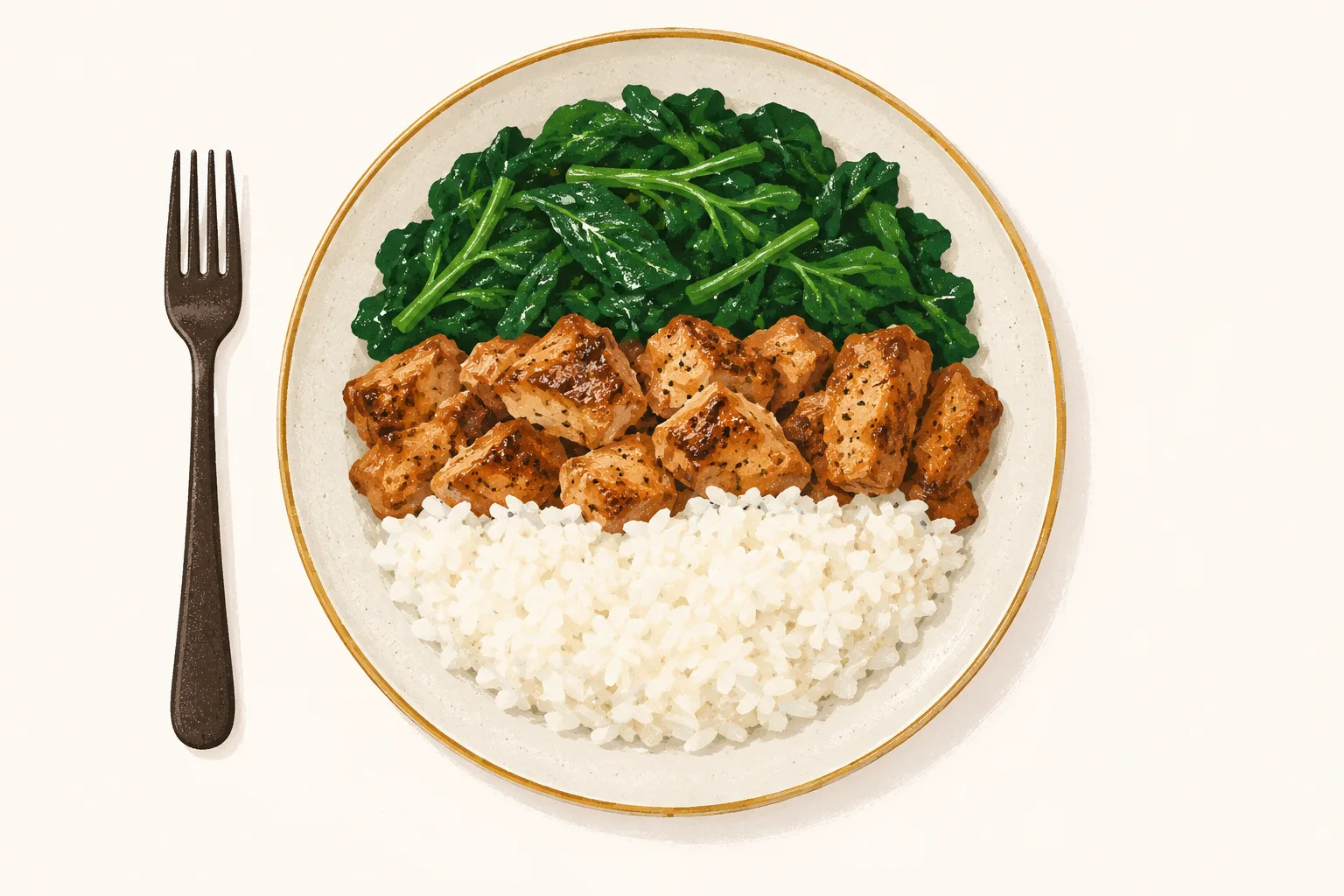
Short answer Eating vegetables and protein before carbohydrates in the same meal reduces post-meal glucose spikes by roughly 30 to 40 percent in controlled trials. The order slows gastric emptying and front-loads insulin response. Add a 10 to 15 minute walk after eating and you get most of the benefit a glucose monitor would push you toward, without buying anything.
Your blood sugar after lunch depends less on what you ate than most people think. It depends on the order you ate it in.
That sounds like a life-hack claim. It is actually one of the better-replicated findings in applied glucose research, and it costs nothing.
What does the research actually show?
In a 2019 study of people with prediabetes, the same meal eaten vegetables-and-protein-first produced meaningfully lower glucose and insulin excursions than the same meal eaten carbs-first. [1] A follow-up randomized pilot in 2023 confirmed the effect holds up when people do it in real life, not just a lab. [2]
The mechanism is boring in a good way. Vegetables and protein slow gastric emptying and trigger insulin before the starch arrives. When the carbs finally hit, the system is already primed. Carbs-first is the opposite: glucose floods in before the brakes are on.
How do you actually do it?
The protocol is simple enough to hold in your head at a restaurant.
| Step | What to eat | Why |
|---|---|---|
| 1 | Vegetables first (salad, saag, broccoli, anything fibrous) | Fiber slows gastric emptying |
| 2 | Protein and fat second (dal, paneer, eggs, chicken) | Primes insulin and incretin response |
| 3 | Starches last (rice, roti, bread, potatoes) | Glucose arrives into a slower system |
| 4 | Dessert last, if at all | Worst spike is carbs alone on an empty stomach |
The gap between steps does not need to be dramatic. Even a few minutes of vegetables before the roti lands is enough to matter. If the meal arrives all at once, just eat around the plate in that order.
What about vinegar and walking?
Two additions with actual evidence. A small salad with vinaigrette before the meal adds acetic acid, which appears to blunt glucose further. And a short walk after eating is the closest thing to a cheat code: a 2013 trial found three 15-minute walks after meals improved 24-hour glucose control better than a single 45-minute walk. [3]
Ten easy minutes after dinner counts. It does not need to be exercise.
Where this breaks down
Liquid carbs and refined starch still spike you regardless of order. Meal sequencing flattens a normal meal; it does not rescue a 60g sugar drink. If dessert matters to you, that is where sweetener choice comes in, and it is a separate problem with its own evidence. We tested that one extensively with monk fruit and erythritol in chocolate.
Also worth saying plainly: this is a glucose-management habit, not a treatment. If you have diabetes or prediabetes, this sits on top of whatever your clinician told you, not instead of it.
The honest bottom line
Order of operations is free, requires no equipment, and is backed by actual trials rather than marketing. Eat the vegetables first, the protein second, the starch last, then walk for ten minutes. It is the highest return-on-effort blood sugar habit we know of.
Common questions
Does food order really lower blood sugar?
Yes, in controlled trials. Eating vegetables and protein before carbohydrates reduced post-meal glucose peaks by roughly 30 to 40 percent in studies on people with prediabetes and type 2 diabetes. The effect comes from slower gastric emptying and earlier insulin signaling.
How long do I have to wait between the vegetables and the rice?
Not long. The studies used a gap of about 10 minutes, but even eating the protein and vegetables first within the same sitting produces most of the effect. You do not need to eat your broccoli alone in a separate room.
Does this work for weight loss or just glucose?
The strong evidence is on post-meal glucose and insulin. Weight effects are smaller and less consistent. Treat it as a glucose and energy tool first; any weight benefit is a bonus, not the mechanism.
What about a 10 minute walk after eating?
Very effective. Three 15-minute walks after meals improved 24-hour glucose control more than one 45-minute walk in an older-adult trial. Even 10 easy minutes after your biggest meal moves the needle.
Mentioned in this article
 From the shop
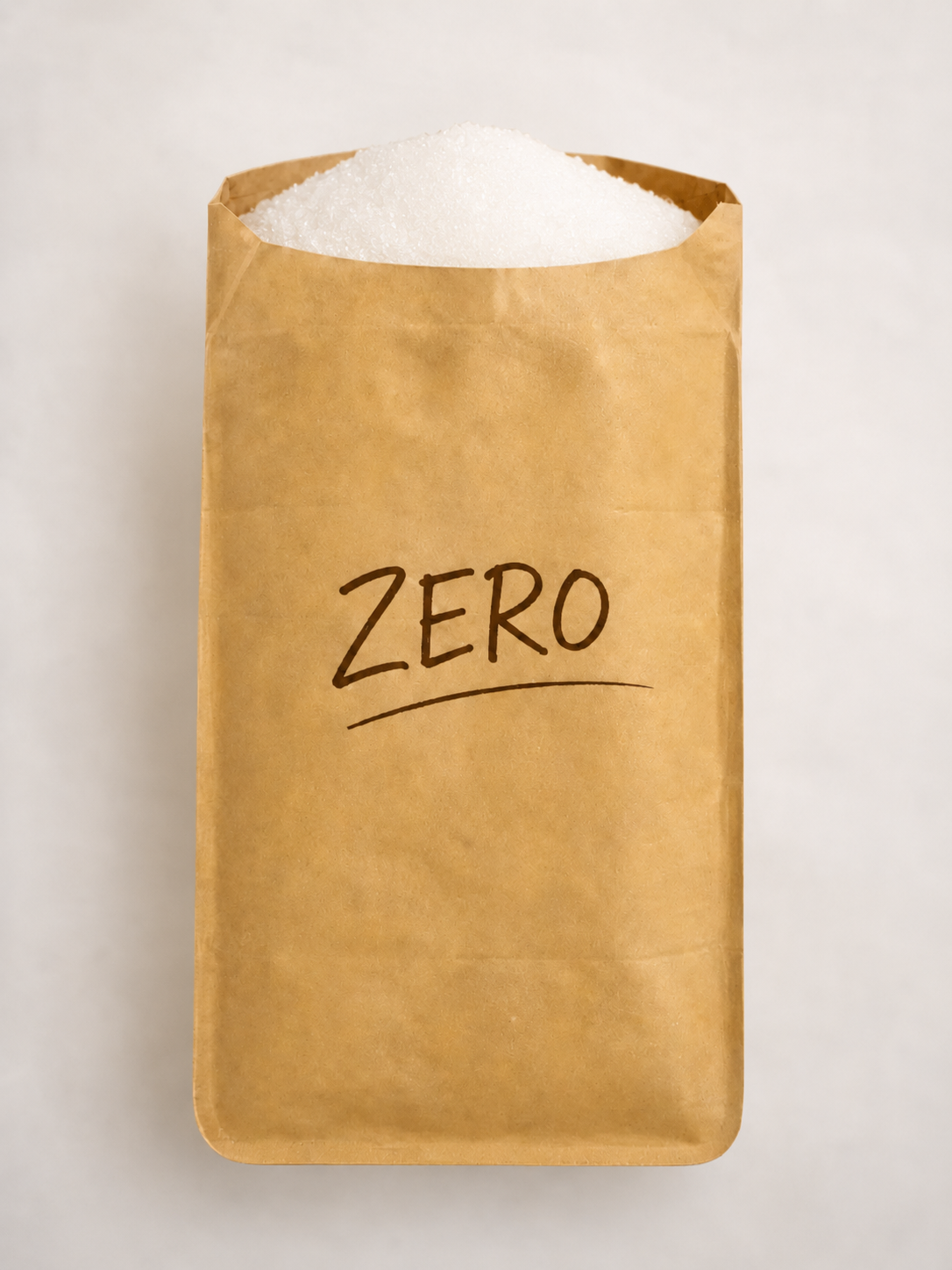
BLANK ZERO Monk Fruit Sweetener
50g delivers the sweetness of 250g sugar. Zero glycemic impact, lab tested, FSSAI certified.
See it →₹400