
The 90-minute wind-down: a sleep routine that works even when your evening is chaotic
A practical pre-sleep protocol built from light, temperature, and nervous-system basics. What to do in the last 90 minutes before bed, and what to skip.
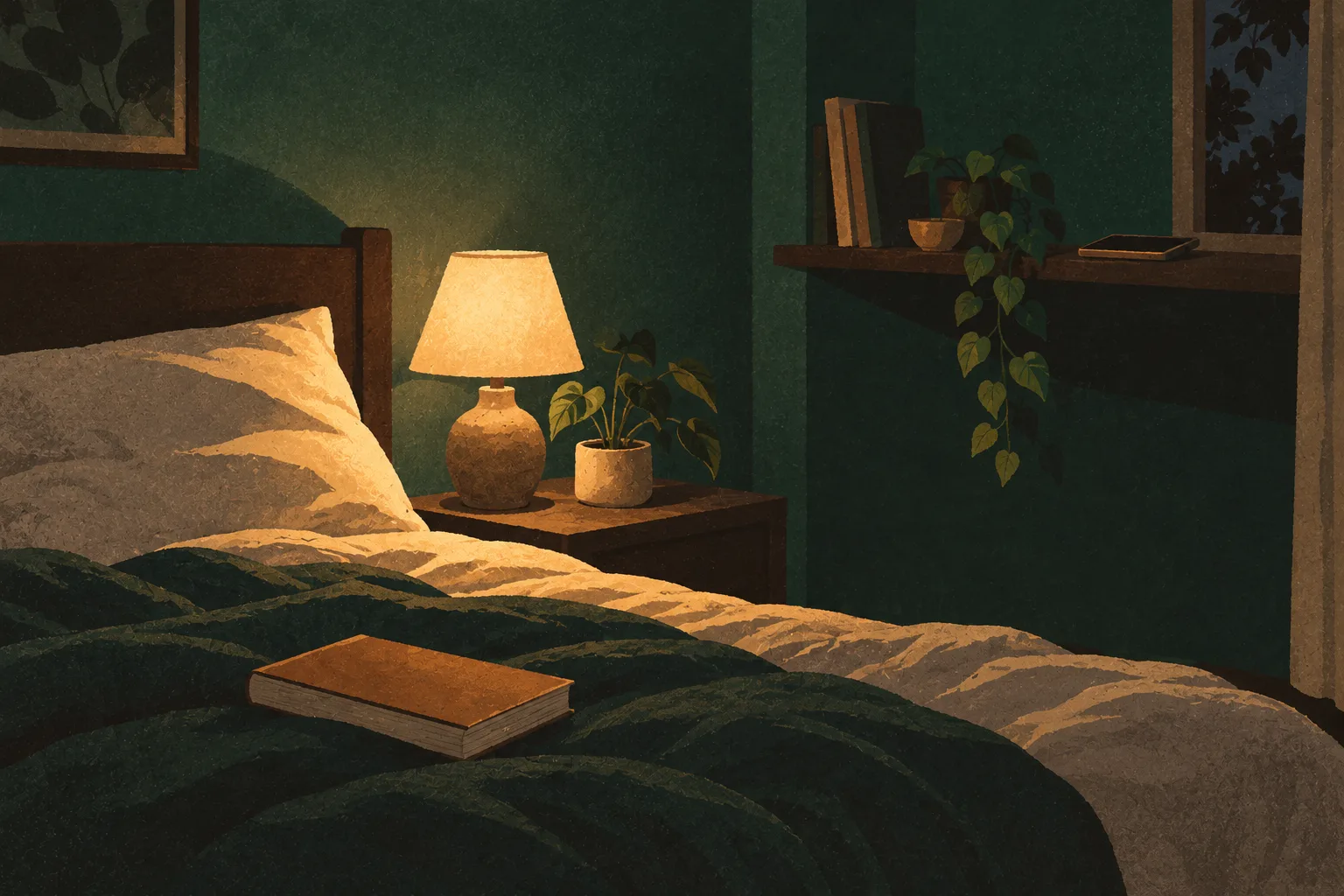
Short answer A good wind-down is 90 minutes of progressively darker, cooler, and calmer inputs: lights dimmed, screens down or filtered, a warm shower, slow breathing, and a book or quiet task. The goal is to let core temperature drop and melatonin rise on schedule. It works because sleep onset is a physiological process, not a decision.
Most sleep advice reads like it was written for someone with no job, no notifications, and no family. This is the version built for evenings that actually happen.
Why the last 90 minutes matter
Sleep is not a switch. It is a slope. Melatonin onset, core temperature drop, and parasympathetic activation all have to happen in sequence, and all three are sensitive to what you are doing in the run-up.
The best-documented disruptor is light. Room light before bed suppresses melatonin onset and shortens its duration. [1] Separately, people who read on a light-emitting tablet before sleep took longer to fall asleep and felt worse the next morning than the same people reading a printed book. [2]
So the wind-down is mostly about removing the inputs that tell your body it is still daytime.
The protocol, in order
| Time before bed | What to do | What it does |
|---|---|---|
| T-90 min | Dim or switch off overhead lights; switch to lamps | Lets melatonin onset begin |
| T-60 min | Phones face down or on the shelf; notifications off | Removes activating input |
| T-45 min | Warm shower or face wash | Starts core temperature drop |
| T-30 min | Low-effort task: book, e-ink reader, stretching, journal | Keeps arousal low without boredom panic |
| T-15 min | Slow breathing, 5 to 6 breaths per minute | Shifts toward parasympathetic state |
| T-0 | Lights out, cool dark room | Final sleep-onset signal |
Nothing on that list is exotic. That is the point. The effect comes from the sequence and the repetition, not from any single step.
The breathing part is not filler
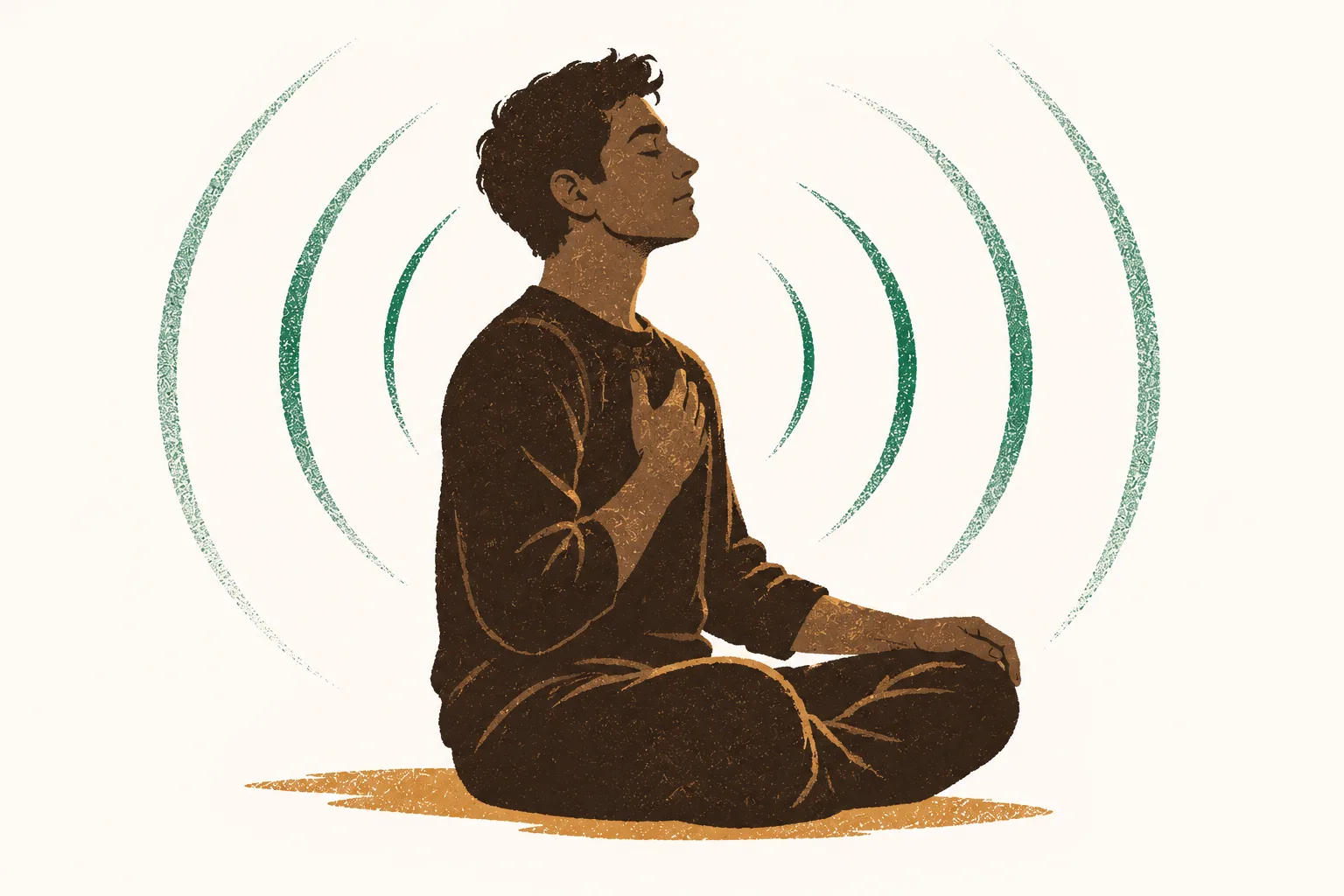
Slow breathing around 5 to 6 breaths per minute reliably increases heart rate variability and shifts autonomic balance toward the parasympathetic side, according to a systematic review of the psychophysiology literature. [3] It is the fastest voluntary way to tell your nervous system the day is over. Five minutes is enough.
What to skip
Do not buy a melatonin gummy as your first move. Do not turn the evening into a second productivity block. Do not measure it on day one and declare it broken on day two. And do not treat a single bad night as evidence the whole thing failed.
The contrarian truth is that a wind-down works less like a pill and more like compound interest. The first week feels like nothing. The third week is when you notice you got sleepy on schedule.
Where the products fit
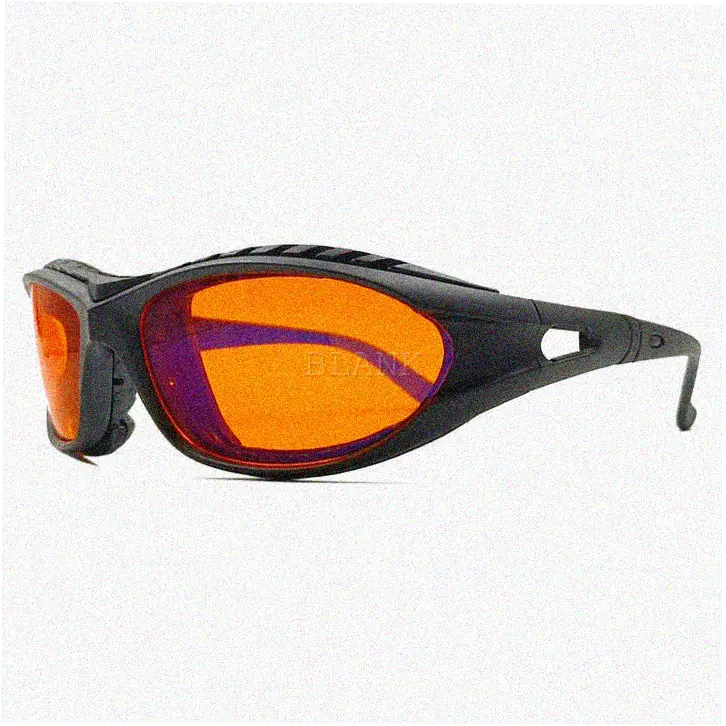
If you cannot dim the room, amber or red-lens glasses that cover the melatonin-sensitive wavelengths are a reasonable workaround, and we make them for exactly that reason. An e-ink reader solves the “I want to read, not scroll” problem without the light-emitting screen. Neither is required. Both are just tools that make the routine easier to keep.
The honest bottom line
Ninety minutes of progressively dimmer, calmer inputs is the most boring effective sleep intervention that exists. It will not feel dramatic. It will feel like you just started falling asleep at a reasonable time and stopped noticing when it happened.
Common questions
How long before bed should I start winding down?
Ninety minutes is a good target because it gives your core temperature time to drop and melatonin time to rise. Even 45 consistent minutes beats an irregular two hours. The signal is repetition, not perfection.
Is a hot shower before bed actually helpful?
Yes. Warm water 1 to 2 hours before sleep dilates blood vessels in your hands and feet, which helps your core temperature drop faster afterward. A cooler core is one of the body's sleep-onset triggers.
Do I really have to put the phone away?
The honest answer: not for the blue light alone, which people oversell, but because scrolling is activating. If you must use it, dim it, use night mode, and pick boring content. Better: swap it for a book or e-ink reader.
Does this work if my schedule is irregular?
Partially. The wind-down still helps signal sleep, but an inconsistent wake time works against it. The wake time is the anchor; the evening routine supports it, not the other way around.
Mentioned in this article
 From the shop
Evening Sleep Blocker Glasses
Red lens. Blocks 99% of blue and green light in the 2 to 3 hours before bed. The tool behind our sleep protocol.
See it →₹5,413