
High-protein Greek yogurt cheesecake cups: 12g protein, no added sugar
Six ingredients, 25 minutes in the oven, and a cheesecake cup that tastes like the real thing with a third of the calories. Sweetened with monk fruit, built for meal prep.
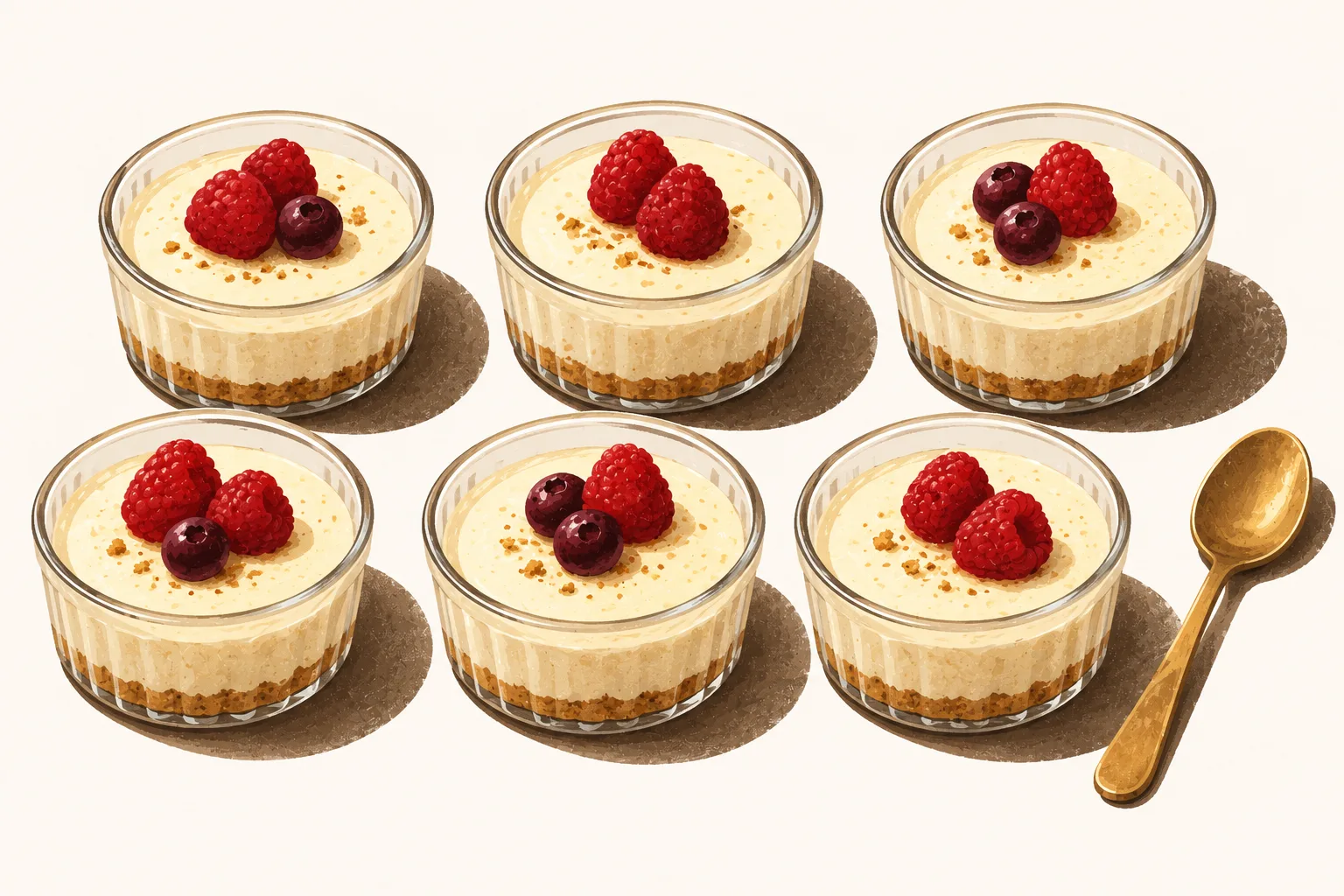
Short answer Greek yogurt, light cream cheese, eggs, and a monk fruit blend bake into cheesecake cups with about 12g of protein and 130 calories each. Twenty-two minutes in the oven, three hours in the fridge, and they keep for four days, which makes them one of the easiest high-protein desserts to prep ahead.
Regular cheesecake is a sugar delivery system wearing a dairy costume. Sixty-plus grams of sugar per slice is common. This version keeps the part that matters, the tang and the set, and drops the rest.
Why Greek yogurt works here
Strained yogurt is mostly casein protein and water, which means it behaves like a lighter cream cheese once eggs hold it together. You lose some richness, you gain protein and a cleaner tang. The eggs do the setting; the oven time is short because the cups are small.
The one thing yogurt cannot fake is sweetness structure. Sugar is hygroscopic, it affects texture. That is why the sweetener choice matters more here than in most recipes: too much erythritol re-crystallizes gritty in the fridge, and pure stevia leaves a bitter tail in dairy. A monk fruit and erythritol blend at modest dose is the version that survived our test batches.
The only step people get wrong
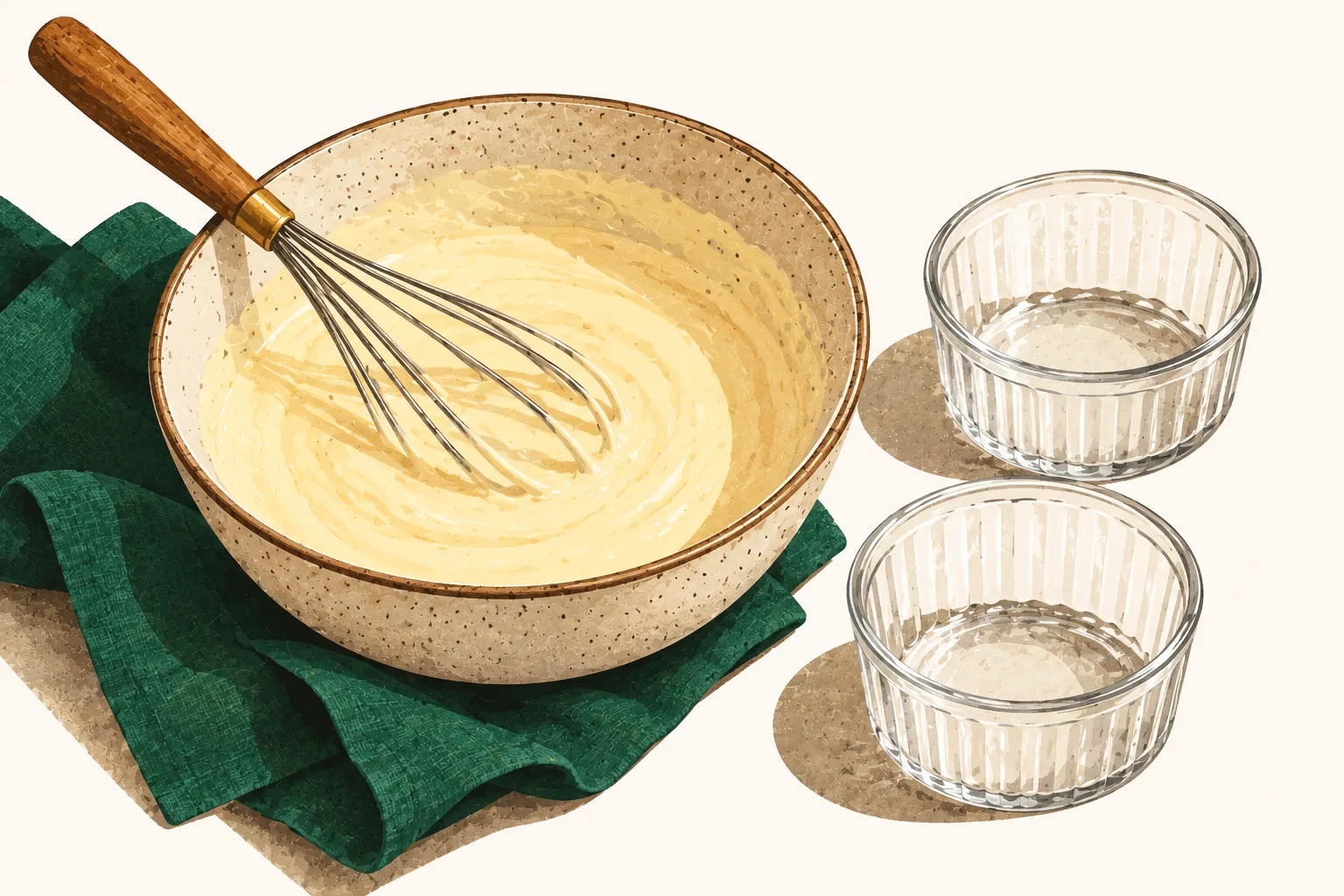
Bake until the edges are set and the middle still jiggles like jelly, then stop. If the centre is firm in the oven, it will be rubbery in the fridge. The chill does the real work.
If the tops crack, one of two things happened: the batter was over-whisked and trapped air expanded, or the oven ran hot and set the surface before the middle. Neither ruins the taste. Both are fixable next batch.
Where the macros land
A standard cheesecake slice runs 400 to 500 calories with protein in single digits. These cups land around 130 calories and 12g of protein each, because the base is yogurt and eggs rather than cream cheese and sugar. They are a dessert, not a protein bar, but they are a dessert that pulls weight.
The honest bottom line
If a dessert is going to live in your fridge all week, it should taste like dessert and behave like meal prep. These do both. The full card is below, and if you need the sweetener we built for exactly this, it is at the bottom of the page.
Recipe card
| Step | Action | Time |
|---|---|---|
| Whisk | Cream cheese smooth, eggs in one at a time | 3 min |
| Mix | Yogurt, sweetener, vanilla, lemon zest | 2 min |
| Bake | 160C until edges set, centre wobbles | 20 to 22 min |
| Chill | Room temp, then refrigerate | 3 hours+ |
Per cup: roughly 130 calories, 12g protein, 9g carbs, 5g fat.
Common questions
Can I make these without an oven?
A no-bake version exists but it needs a setting agent. Stir 1 tsp of bloomed gelatin into the warm batter portion and skip the eggs entirely, then chill 4 hours. The texture is closer to a mousse cup than a cheesecake.
Which sweetener works best here?
A monk fruit and erythritol blend, about 3 tablespoons for six cups. Pure monk fruit extract is too intense to measure at this scale and stevia alone turns bitter in dairy. We make a blend calibrated for exactly this.
Why did mine crack or sink?
Overbaking. Pull them while the centre still wobbles; they set in the fridge, not the oven. Cracks also come from whisking too much air in. Whisk to smooth, not to froth.
How long do they keep?
Four days refrigerated, covered. They do not freeze well; the yogurt weeps when thawed. Make a half batch if six is too many.
Mentioned in this article
 From the shop
BLANK ZERO Monk Fruit Sweetener
50g delivers the sweetness of 250g sugar. Zero glycemic impact, lab tested, FSSAI certified.
See it →₹400