
High-protein cottage cheese chocolate mousse: 24g protein, no added sugar
Four ingredients and two minutes in a blender turn cottage cheese and natural cocoa into a thick chocolate mousse with 24g of protein and no cottage cheese tang.
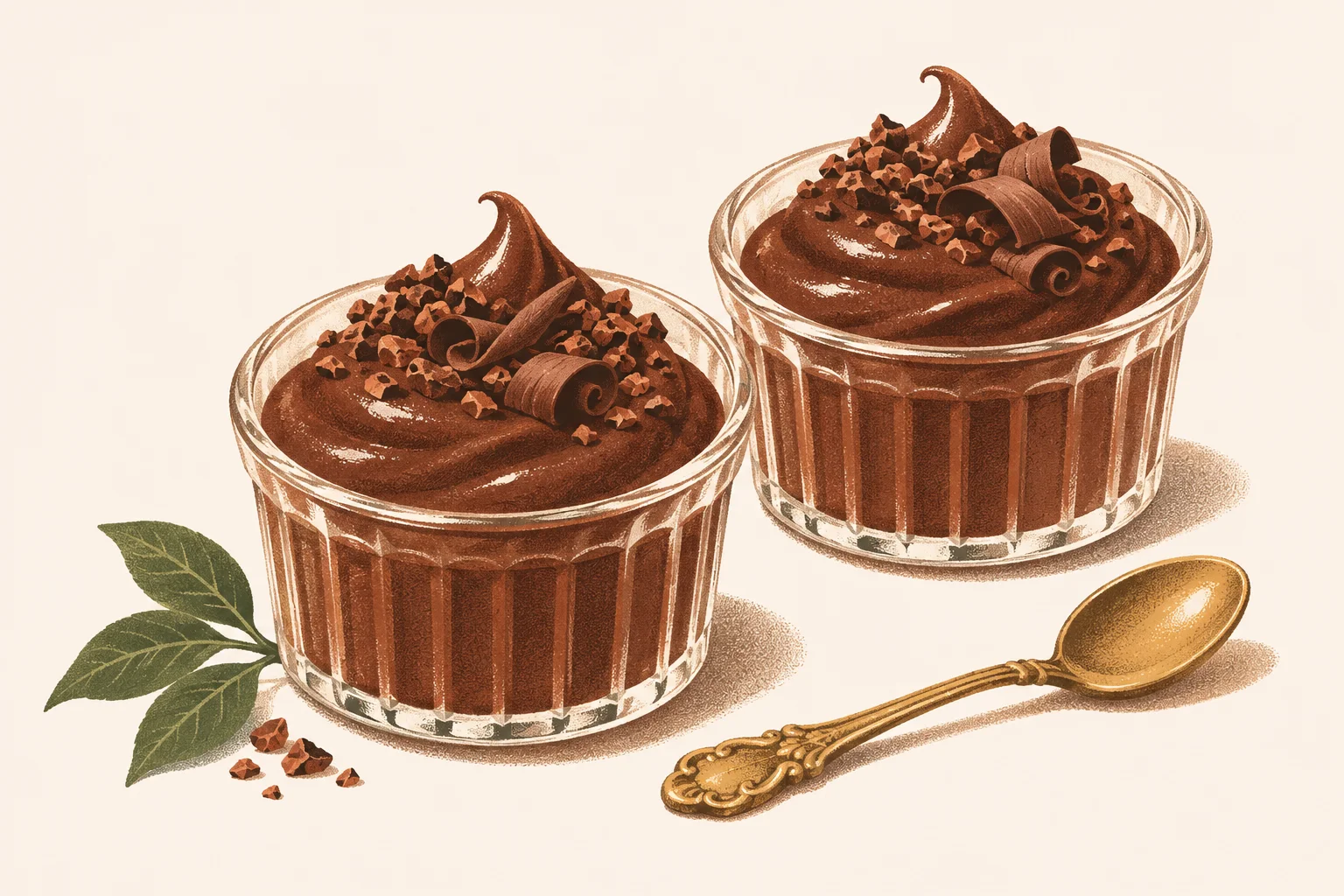
Short answer Blending 300g of 2% cottage cheese with 25g of natural cocoa powder, vanilla, and a powdered monk fruit blend produces two cups of thick chocolate mousse with 24g of protein and 175 calories per serving. Sixty seconds in a high-speed blender eliminates the curds, and an hour in the fridge sets it like a chilled ganache.
24g protein · 5g net carbs · 175 cal · 5 min prep
Cottage cheese has an earned reputation problem. Scooped straight out of the tub, the wet curds and salty brine put half the table off immediately. Put those exact same curds inside a blender with cocoa powder for ninety seconds and the texture flips into something closer to pastry cream.
That happens because cottage cheese is mostly casein protein suspended in a mild whey emulsion. Unlike Greek yogurt, which ferments to a sharp lactic acid tang, cottage cheese sits at a much softer pH. Once the curds shear smooth, cocoa takes over the flavor profile completely.
Why does cottage cheese set thicker than yogurt?
Casein micelles lock water into a gel network when they cool down after high-shear blending. And because cocoa powder is roughly 10% to 22% cocoa butter plus dry starch and fiber, those dry cocoa solids absorb the free whey liquid that would otherwise pool at the bottom of the cup.
The result after an hour in the fridge is a mousse that holds a spoon upright without gelatin, eggs, or heavy cream.
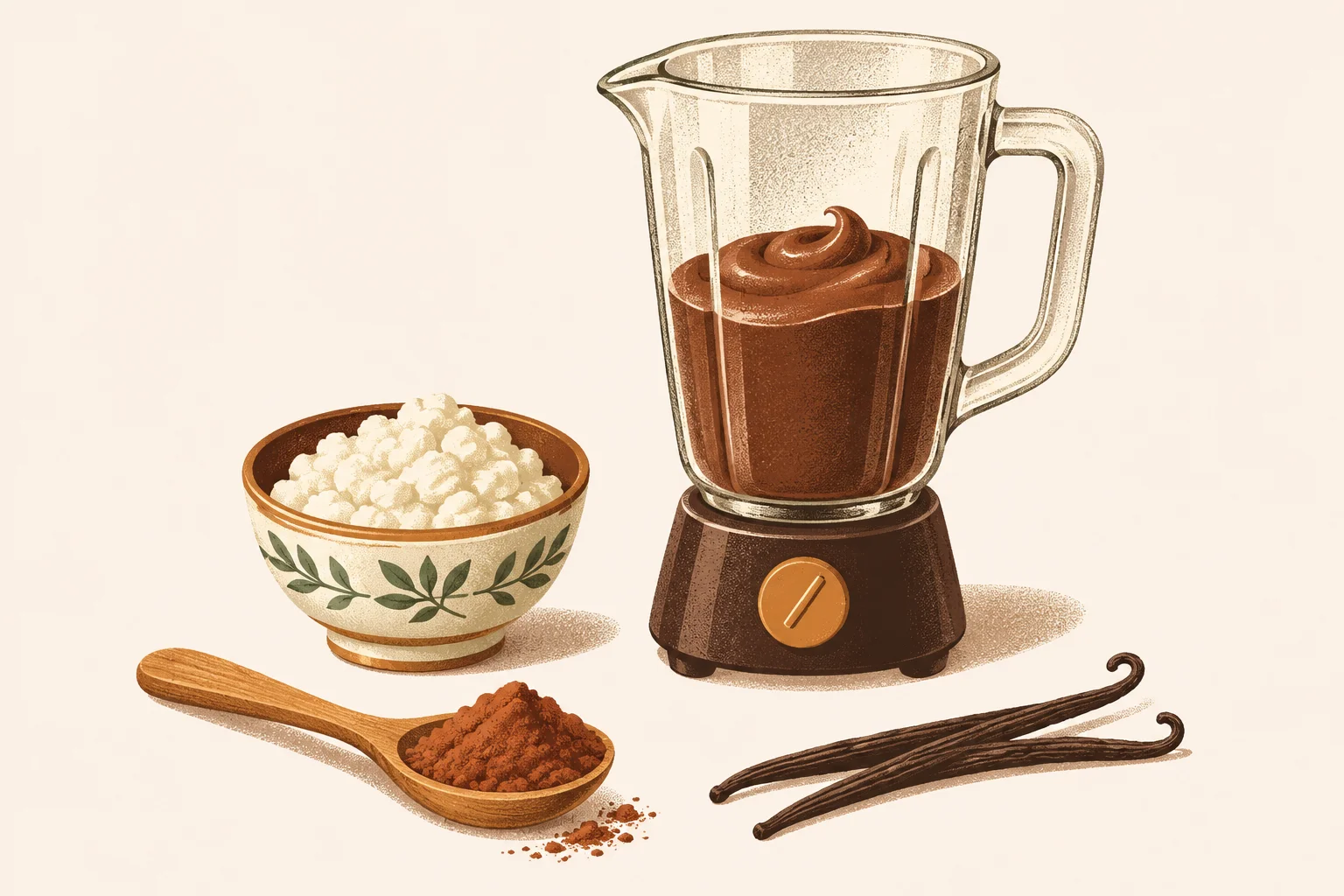
Which cocoa and sweetener keep the texture smooth?
Use natural unsweetened cocoa powder if you care about cacao flavanols, or a half-and-half mix with light Dutch cocoa if you want a darker color. Either way, sift it if the bag has been sitting open in a humid kitchen.
For the sweetener, powder matters more than brand. Granulated sugar alcohols dissolve poorly in cold, thick dairy and can leave a sandy crunch when the cup chills down to 4C. We run our monk fruit and erythritol blend through a spice grinder for ten seconds before adding it to cold no-bake recipes, or shave a little sugar-free dark chocolate over the top for crunch instead.
How the macros compare to classic mousse
Traditional French chocolate mousse relies on whipped heavy cream, egg yolks, and granulated sugar. It tastes great and clocks around 420 calories with 35g of sugar and 5g of protein per cup.
| Version | Calories | Protein | Added sugar | Chill time |
|---|---|---|---|---|
| Cottage cheese chocolate mousse | 175 kcal | 24g | 0g | 60 min |
| Greek yogurt cocoa bowl | 160 kcal | 17g | 0g | None (stays soft) |
| Classic heavy-cream mousse | 420 kcal | 5g | 34g | 3 hours |
Why does a casein dessert work so well after dinner?
Most late-evening snacks fail in one of two ways: either they hand you a fast glucose and insulin spike right before bed, or they leave you hungry again an hour later.
Slow-digesting casein protein forms a gentle curd in the stomach and releases amino acids over several hours, while zero-glycemic monk fruit and erythritol keep post-dinner blood glucose flat. Pairing 24g of dairy protein with the natural fiber in unsweetened cocoa gives you a real chocolate dessert that behaves like a recovery meal rather than a sugar rollercoaster.
If you are sensitive to the mild theobromine and caffeine in cocoa late at night (roughly 12mg of caffeine and 100mg of theobromine per tablespoon of natural cocoa powder), eat this as a mid-afternoon desk snack instead of right before lights-out, or swap half the cocoa for roasted carob powder after 6pm.
Three ways to vary the base batch
Once you have the four-ingredient base down, small adjustments change the cup without wrecking the macros:
- Espresso dark mousse: dissolve half a teaspoon of decaf instant espresso powder into one teaspoon of hot water and add it to the blender. Coffee deepens the chocolate note and hides any trace of dairy.
- Peanut-cacao swirl: fold one tablespoon of powdered peanut butter into the blended mousse before chilling, adding 4g of extra protein for 25 calories.
- Peppermint snap: add two drops of pure peppermint extract to the blender and finish the chilled cup with 5g of finely chopped sugar-free dark chocolate.
Recipe card
| Step | Action | Time |
|---|---|---|
| Load | 300g 2% cottage cheese, 25g cocoa, 2.5 tbsp powdered sweetener, 1 tsp vanilla | 1 min |
| Blend | High speed, scrape sides once until zero curds remain | 90 sec |
| Chill | Spoon into two ramekins, refrigerate until firm | 60 min |
| Finish | Top with cacao nibs or shaved dark chocolate | 30 sec |
Per serving (1 of 2): roughly 175 calories, 24g protein, 8g total carbs (3g fiber), 5g fat.
Common questions
Can you taste the cottage cheese in this mousse?
Not if you blend it completely smooth and use natural cocoa plus vanilla. The curds break down into a neutral cream base, and cocoa masks the mild lactic tang better than fruit flavors do.
Why did my mousse turn out grainy?
Two culprits: either you stopped blending before the curds sheared smooth, or you used granulated erythritol instead of a powdered monk fruit blend. Granular erythritol can recrystallize in cold dairy.
Can I use Greek yogurt instead of cottage cheese?
You can, but Greek yogurt is much tangier and stays looser in the fridge. Cottage cheese has a milder pH and higher intact casein curd density, so it sets thicker after chilling.
How long does cottage cheese chocolate mousse last in the fridge?
Up to four days in sealed jars. Give the top a quick stir or keep a piece of parchment pressed against the surface if you want to prevent a dark skin from forming.
Mentioned in this article
 From the shop
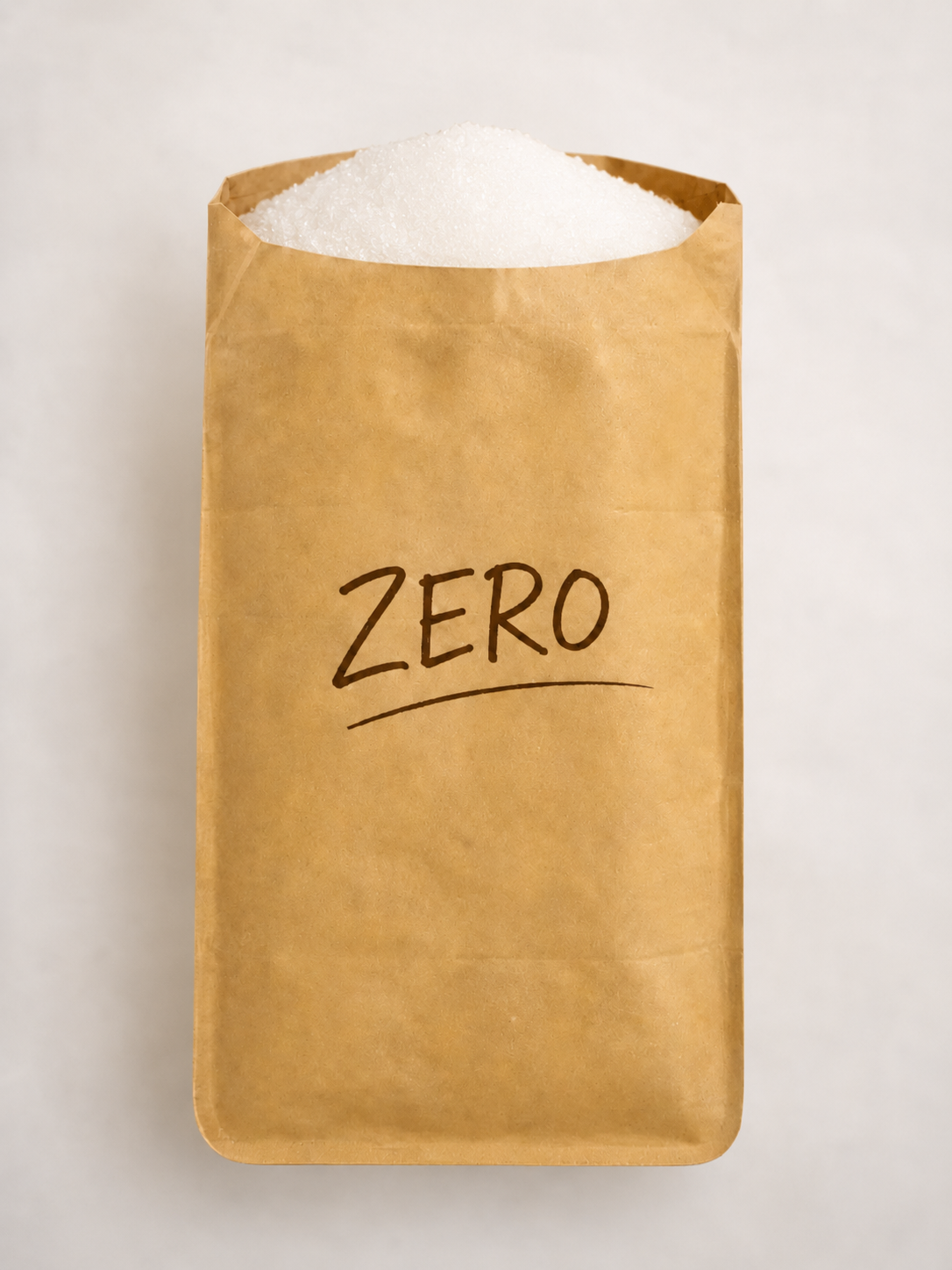
BLANK ZERO Monk Fruit Sweetener
50g delivers the sweetness of 250g sugar. Zero glycemic impact, lab tested, FSSAI certified.
See it →₹400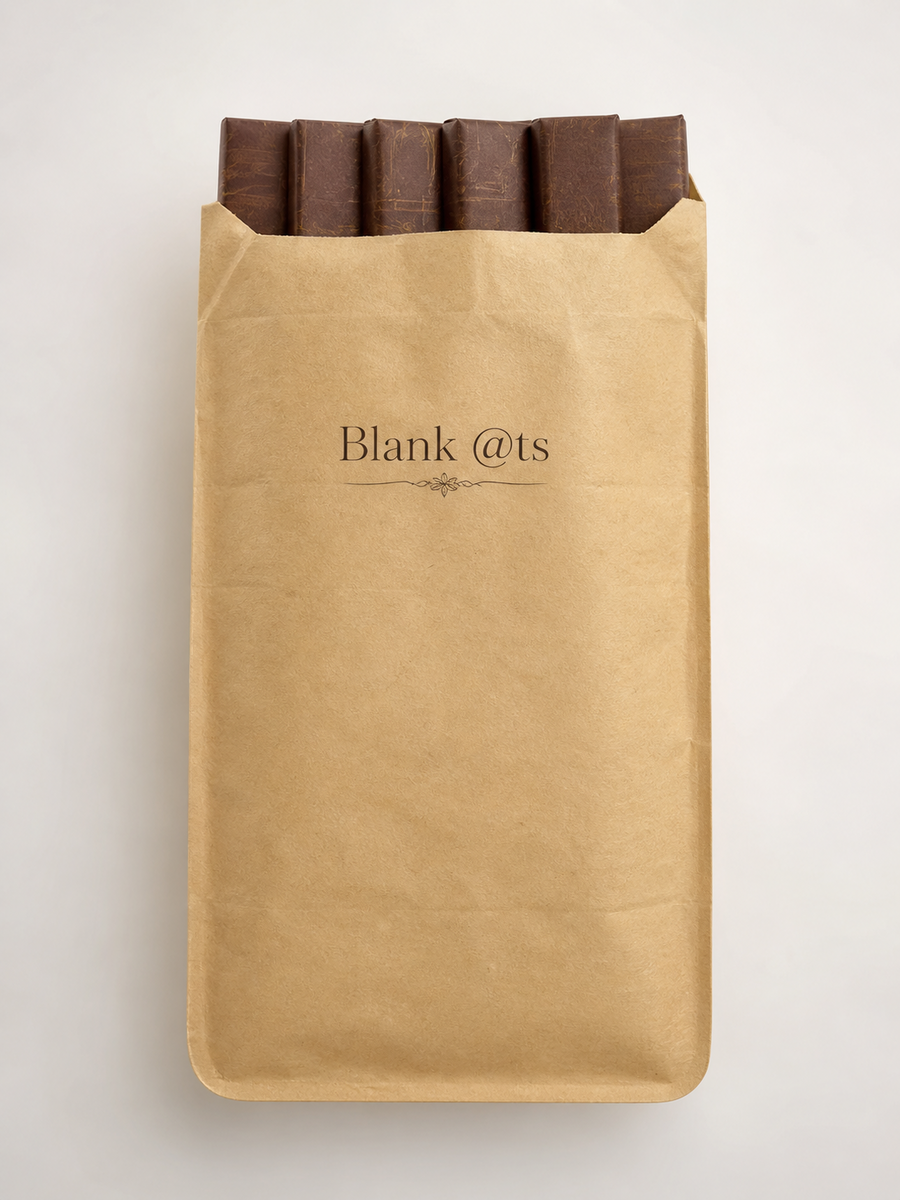 From the shop
Blank@TS Signature Chocolate
The 4-bar signature pack. Brown sugar, cocoa, stevia and monk fruit. The bar the whole build is modeled on.
See it →₹100